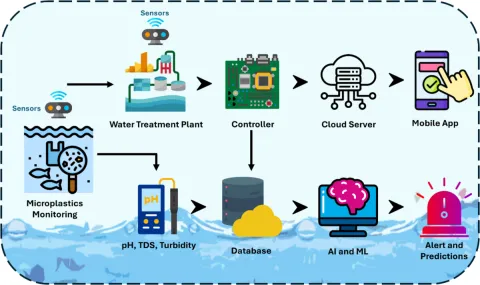
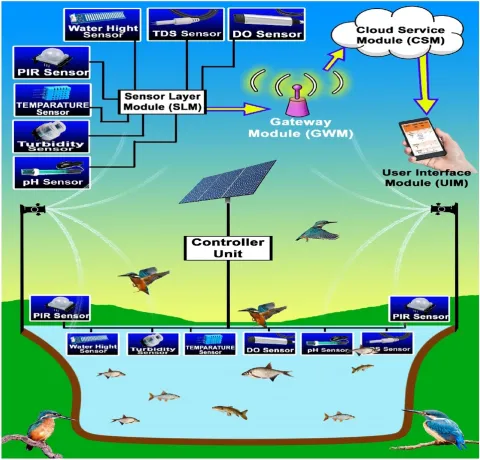
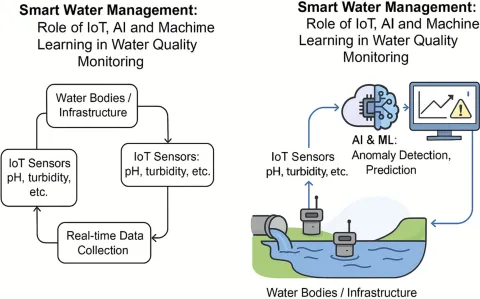
IoT sensors significantly help aquaculture and agriculture adapt to extreme climate change by providing real-time data that optimizes resource use, prevents massive stock or crop loss, and automates critical responses to erratic weather.
Agriculture Benefits
- Smart Irrigation: Soil moisture and temperature sensors reduce water usage by up to 50% during droughts by tailoring irrigation directly to root zones.
- Precision Fertilization: Nutrient and pH monitors prevent chemical runoff during unexpected heavy downpours.
- Weather & Disease Tracking: Micro-climate sensors track humidity and leaf wetness to forecast fungal outbreaks or pest activity before damage spreads.
Aquaculture Benefits
- Water Quality Monitoring: Continuous tracking of dissolved oxygen, pH, and temperature prevents sudden die-offs caused by marine heatwaves or heavy rainfall altering salinity.
- Automated Aeration: Sensors trigger paddle wheels and oxygen pumps instantly when dissolved oxygen dips below safe thresholds.
- Smart Feeding: Acoustic and optical sensors adjust feed amounts based on fish behavior, stopping feed waste when water temperatures induce stress.
Current Adoption Challenges
- High Costs: Initial hardware and maintenance setup remain expensive for smallholder farmers.
- Harsh Environments: Probes face biofouling in ponds or corrosion in fields, requiring durable designs.
Q&As